
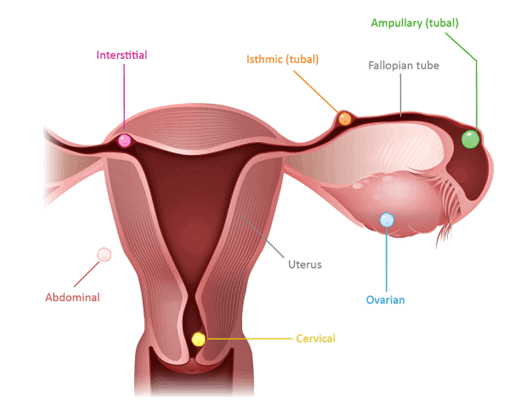
An ectopic pregnancy occurs when a fertilized egg implants outside the uterus, most commonly in the fallopian tube. This condition cannot proceed safely and may become life-threatening if not detected early. Early detection of an ectopic pregnancy is crucial for a safe outcome.
Women in Jeddah who want guidance on early pregnancy care and safe medical options can learn more about abortion pills in Saudi Arabia under proper medical supervision.
What is an Ectopic Pregnancy?
In a healthy pregnancy, the fertilized egg travels to the uterus and attaches to the uterine lining. In an ectopic pregnancy, however, the egg implants elsewhere—often in the fallopian tube, ovary, or abdominal cavity. Because these locations cannot support a growing embryo, the pregnancy cannot continue, making early diagnosis crucial.
An ectopic pregnancy is one of the leading causes of pregnancy-related emergencies, emphasizing the importance of awareness and timely medical care.
Perfect spot: Symptoms, Diagnosis, or Treatment sections.
(Diagnosis Section):Doctors diagnose an ectopic pregnancy using pelvic ultrasound and hCG blood tests. For more details on early pregnancy complications and monitoring, see the Mayo Clinic – Ectopic Pregnancy Guide.
Causes and Risk Factors
The exact cause of an ectopic pregnancy is not always clear, but several factors can increase the risk:
- Previous ectopic pregnancy: A history of ectopic pregnancy raises the likelihood of recurrence.
- Pelvic infections: Infections in the reproductive organs can damage the fallopian tubes, increasing risk.
- Surgery on reproductive organs: Surgeries involving the fallopian tubes or pelvis can affect implantation.
- Fertility treatments: Women undergoing fertility medications or procedures may have a higher chance of ectopic pregnancy.
Awareness of these risk factors helps women recognize the importance of monitoring early pregnancy closely.
Symptoms of Ectopic Pregnancy
Symptoms of an ectopic pregnancy often appear between the 4th and 12th week of pregnancy and can vary from mild discomfort to severe pain. Common signs include:
- Sharp or stabbing pain on one side of the abdomen or pelvis
- Vaginal spotting or bleeding
- Dizziness or fainting
- Shoulder pain (in rare cases)
It is important to understand that these symptoms may overlap with normal early pregnancy changes, making professional evaluation essential. Any woman experiencing these signs should seek medical attention immediately.
Diagnosis of Ectopic Pregnancy
Early and accurate diagnosis is critical for an ectopic pregnancy. Doctors typically use a combination of the following methods:
- Pelvic ultrasound: Helps locate the fertilized egg and confirm whether it is in the uterus or elsewhere.
- hCG blood tests: Measures hormone levels to assess pregnancy progress. Abnormal levels may indicate an ectopic pregnancy.
- Physical examination: Checks for tenderness or unusual abdominal masses.
Prompt diagnosis allows doctors to choose the safest treatment and reduce potential complications.
Treatment Options for Ectopic Pregnancy
Treatment depends on the location and size of the ectopic pregnancy and the patient’s health. The main options include:
- Medication: Drugs like methotrexate can stop the growth of the ectopic pregnancy and allow the body to absorb the tissue naturally.
- Surgery: In cases where medication is not suitable or the pregnancy is ruptured, surgery may be necessary to remove the ectopic tissue and repair any damage.
- Monitoring: In very early cases, careful monitoring may be possible under medical supervision to ensure safety.
Timely treatment of an ectopic pregnancy is crucial for preserving fertility and preventing serious complications.
Importance of Awareness and Early Care
Understanding ectopic pregnancy is vital for all women. Early detection and care save lives, reduce complications, and improve the chances of a healthy future pregnancy. Women should seek regular checkups during early pregnancy, report unusual symptoms promptly, and follow medical guidance.
By being informed about ectopic pregnancy, women can make better decisions about their health and ensure appropriate care during early pregnancy.
Conclusion
An ectopic pregnancy is a serious condition that requires early recognition and prompt medical attention. Knowing the risk factors, recognizing the symptoms, and seeking timely treatment can prevent complications and safeguard a woman’s health. Awareness and early care are the keys to managing this condition safely.
For women in Saudi Arabia, professional consultation is essential for any early pregnancy concerns, including monitoring for ectopic pregnancy and receiving guidance on safe medical options when needed.