
Key Takeaway: How Medication Abortion Works in Doha
Medication abortion in Doha—commonly searched as abortion pills Qatar, pregnancy termination pills Doha, or early pregnancy termination in Qatar—is a non-surgical method used to end an early pregnancy.
The FDA-approved two-pill regimen is 97% to 98% effective when taken within 10 weeks of pregnancy. To understand how medication abortion works and what legal options exist regarding abortion pills in Saudi Arabia, see this informative article: abortion option in Saudi Arabia.
This treatment includes:
- Mifepristone (Day 1): 200 mg taken by mouth
- Misoprostol (Day 2–3): 800 mcg taken 24–48 hours later
- Pain and nausea support medications
- 24/7 nursing guidance and medical support
Many individuals researching medication abortion services Doha or private abortion services Qatar are looking for accurate, confidential medical information. Medication abortion allows the process to be completed privately at home under medical supervision where legally permitted.
⚠️ Important Disclaimer About Medication Abortion pills in Doha
Abortion laws in Doha and throughout Qatar are legally regulated and may restrict access to abortion services.
This article is provided for educational and informational purposes only. It does not constitute medical or legal advice. Anyone considering medication abortion in Doha or anywhere in Qatar must consult a licensed healthcare professional and verify current local regulations before making medical decisions.
For regional medical consultation, individuals may visit Saudi German Hospital and consult Dr. Sulaiman Al Habib, subject to local medical laws and policies.
What Is Medication Abortion?
Medication abortion is a non-surgical early pregnancy termination method that uses two FDA-approved medications. It is often searched as:
- Medication abortion in Doha
- Abortion pills Qatar
- Telehealth abortion care Doha
- Early pregnancy termination in Qatar
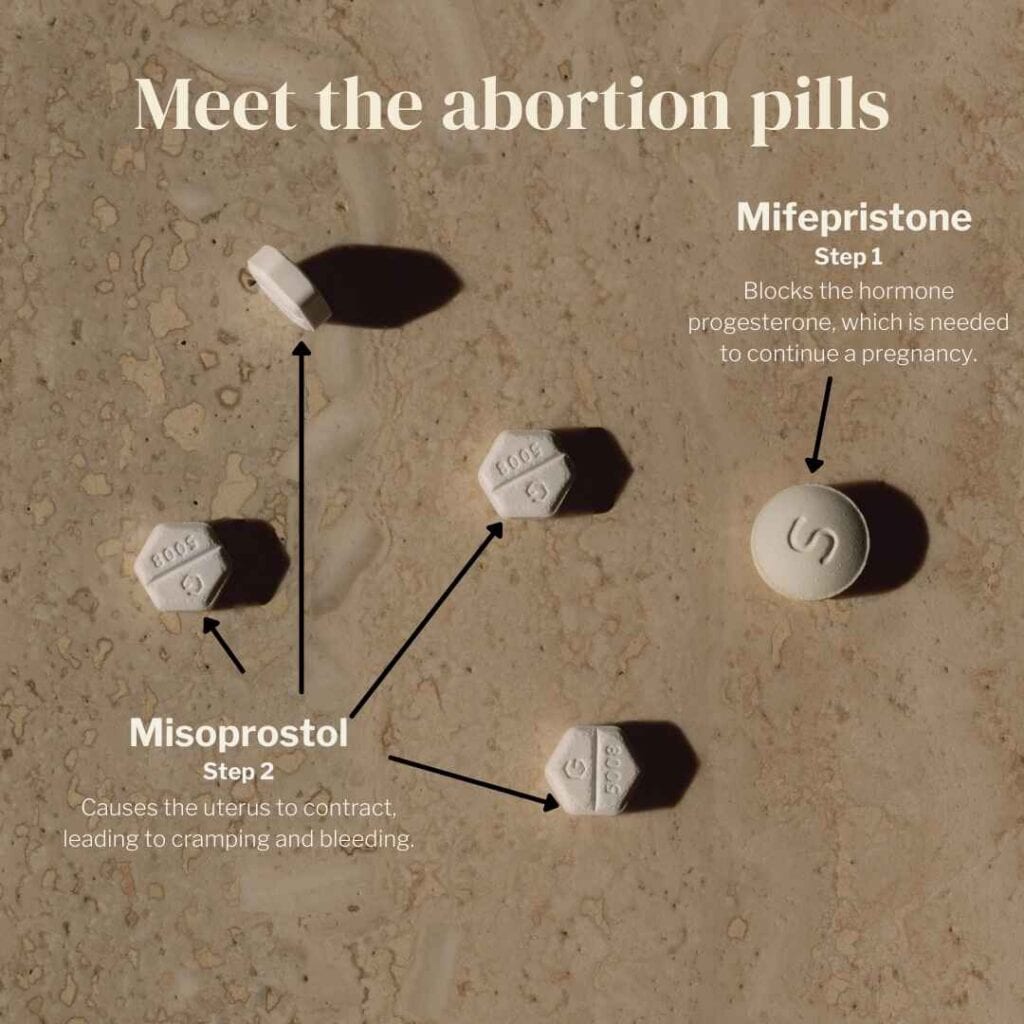
1️⃣ Mifepristone
Mifepristone blocks progesterone, the hormone necessary for pregnancy to continue. Without progesterone, the pregnancy stops developing.
2️⃣ Misoprostol
Misoprostol causes uterine contractions and bleeding, which empty the uterus and complete the abortion process.
Together, these medications provide a clinically supported option for ending pregnancy within the first trimester.
Step 1: How to Take Mifepristone
- Swallow one 200 mg mifepristone tablet with water.
- Continue normal daily activities afterward.
What to Expect After Mifepristone
- Most people feel normal.
- Some may experience light bleeding.
- Nausea is possible but usually mild.
If vomiting occurs within 30 minutes, contact your provider. After 30 minutes, the medication has typically been absorbed.
Optional: Take ondansetron (anti-nausea medication) 30 minutes before mifepristone if you are prone to nausea.
Step 2: How to Take Misoprostol (24–48 Hours Later)
Misoprostol is taken 24 to 48 hours after mifepristone. It can be used in three different ways. All methods are equally effective.
Vaginal Method (Least Nausea)
- Insert 4 pills deep into the vagina.
- Lie down for 30 minutes.
- Medication absorbs within 30 minutes.
Buccal Method (Between Cheeks and Gums)
- Place 2 pills on each side of the mouth.
- Let dissolve for 30 minutes.
- Swallow remaining fragments.
Sublingual Method (Under the Tongue)
- Place 4 pills under the tongue.
- Let dissolve for 30 minutes.
- Swallow remaining fragments.
This method may cause stronger nausea due to faster absorption.
Pain Management Before Misoprostol
For comfort, take the following 30 minutes before misoprostol:
- 800 mg ibuprofen (pain relief)
- 1 mg ondansetron (anti-nausea)
Cramping and bleeding usually begin within 1 to 4 hours after misoprostol and may peak over 2 to 6 hours.
Do You Need a Second Dose of Misoprostol?
You may need additional misoprostol if:
- The pregnancy is 9 weeks or more, OR
- No bleeding occurs within 24 hours after the first dose (if under 9 weeks)
If you have already experienced bleeding and are under 9 weeks, an additional dose may not be necessary.
Always follow medical instructions provided by your healthcare professional.
How Long Does the Abortion Pill Take to Work?
People searching medication abortion in Doha or abortion pills Qatar effectiveness often ask about timing:
- Misoprostol begins working within a few hours.
- Heavy bleeding typically starts 4–6 hours after taking misoprostol.
- Cramping improves after the pregnancy tissue passes.
Medication abortion is generally prescribed up to 10 weeks and may sometimes be used up to 11 weeks (77 days).
How to Know If the Abortion Pill Worked
Signs of a successful medication abortion include:
- Heavy bleeding (often heavier than a period)
- Passing clots or tissue
- Strong cramping
- Decrease in pregnancy symptoms within 24–48 hours
A pregnancy test may remain positive for up to 4 weeks due to residual hCG hormone levels.
What to Expect After Taking Abortion Pills
Common abortion pill side effects include:
- Heavy bleeding
- Intense cramping
- Fever or chills (first 24 hours)
- Nausea or vomiting
- Diarrhea
- Fatigue
- Breast tenderness
- Temporary mood changes
Bleeding After Medication Abortion
- Heavy bleeding may last several hours.
- Spotting can continue for days or weeks.
- Clots may vary in size.
- It is normal not to see identifiable tissue.
Your period typically returns within 4 to 8 weeks. Ovulation can occur as early as 2–3 weeks after abortion.
Managing Pain and Cramping
Strong cramping is normal. Relief methods include:
- Ibuprofen or acetaminophen
- Heating pad or hot water bottle
- Warm shower
- Gentle back massage
- Drinking warm fluids
Pain usually decreases once the uterus empties.
Aftercare Following Medication Abortion
- Resume daily activities when you feel ready.
- Use pads during heavy bleeding.
- Switch to tampons or menstrual cups once bleeding lightens.
- Have sex when you feel physically and emotionally ready.
Emotional responses vary. Hormonal changes can temporarily affect mood.
Final Thoughts on Medication Abortion in Doha
Medication abortion is a medically recognized method for early pregnancy termination. However, access to medication abortion services Doha, private abortion services Qatar, or telehealth abortion care Doha depends on local legal regulations.
Anyone considering abortion pills in Qatar should seek guidance from a qualified healthcare provider and ensure compliance with national medical laws.