
Pregnancy is a remarkable journey filled with changes and milestones. For pregnant women Saudi Arabia, understanding each stage—along with tests like ultrasounds and hCG levels—is essential for ensuring both maternal and fetal health. This guide will help you track your progress week by week and understand important pregnancy measurements.
Pregnant Women: Key Changes to Expect
Being a pregnant woman means experiencing both physical and emotional changes. Common symptoms include tiredness, mild nausea, and hormonal fluctuations. Keeping track of these changes helps monitor health and recognize when to consult a healthcare provider.
For women who may need guidance regarding early pregnancy options, it is important to consult medical professionals and explore safe methods, such as abortion pills in Saudi Arabia, if necessary.
How Many Weeks Pregnant Am I?
Many expectant mothers wonder, “how many weeks pregnant am I?” Pregnancy is measured from the first day of your last menstrual period (LMP). Knowing your gestational age is crucial for scheduling checkups, planning ultrasounds, and tracking fetal development accurately.
Early Signs of Pregnancy
Recognizing the early signs of pregnancy can help women seek timely care. Common early indicators include:
Light spotting or implantation bleeding
Mild cramping in the lower abdomen
Tender or swollen breasts
Fatigue and sleepiness
Frequent urination
Noticing these signs allows women to confirm pregnancy with home tests or medical consultations and start prenatal care early.
Molar Pregnancy
A molar pregnancy is a rare condition where abnormal tissue grows in the uterus instead of a normal embryo. Key signs include:
Severe nausea and vomiting
Abnormal vaginal bleeding
Rapid uterine growth
Very high hCG levels on blood tests
Early diagnosis and medical attention are crucial. Women experiencing unusual symptoms should consult healthcare professionals promptly to prevent serious complications.
Pregnancy Weeks
Tracking pregnancy weeks helps women understand fetal development and schedule important checkups. Pregnancy is counted from the first day of the last menstrual period (LMP) and is divided into three trimesters:
First trimester (Weeks 1–12): Early development of the embryo and monitoring for early symptoms.
Second trimester (Weeks 13–26): Fetal growth becomes noticeable; women may feel first movements.
Third trimester (Weeks 27–40): Rapid fetal growth, preparation for delivery, and regular monitoring.
Knowing pregnancy weeks helps plan ultrasounds, blood tests, and prenatal appointments to ensure a healthy pregnancy.
5 Weeks Pregnant Ultrasound
At 5 weeks pregnant, an ultrasound may reveal the gestational sac in the uterus. While the fetal heartbeat is usually not visible yet, this early scan confirms that the pregnancy is developing in the correct location.
6 Weeks Pregnant Ultrasound
By 6 weeks pregnant, most pregnancies show a detectable fetal heartbeat on ultrasound. This is an important milestone, giving pregnant women reassurance that the pregnancy is progressing normally.
10 Weeks Pregnant
When you are 10 weeks pregnant, your baby’s major organs are forming, and physical changes in the mother become more noticeable. Symptoms like nausea may decrease, while energy levels often begin to improve. This is also the ideal time for early screenings and first trimester tests.
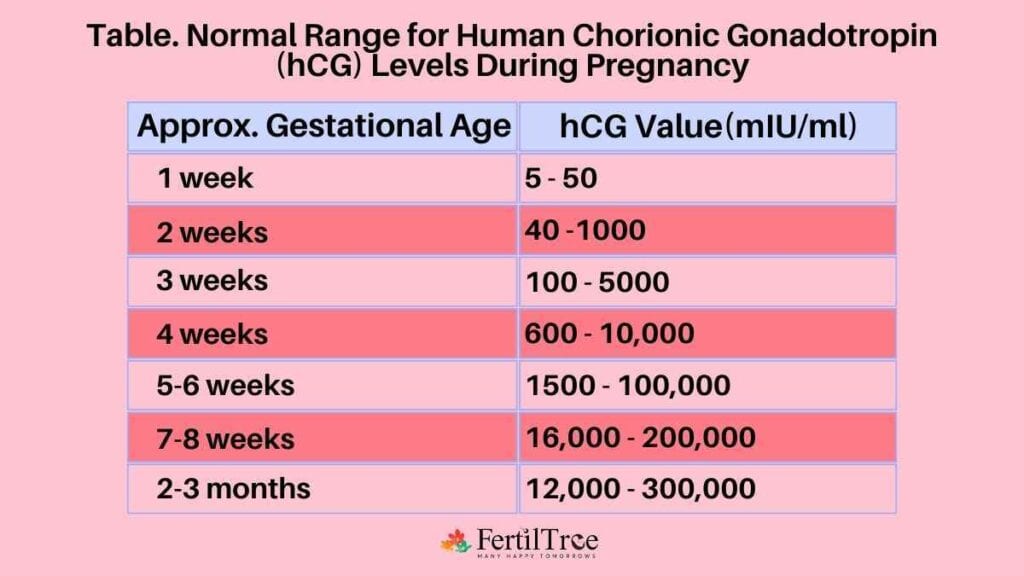
2 Weeks Pregnant hCG Levels
At 2 weeks pregnant, hCG levels are just starting to rise. Blood tests at this stage can detect pregnancy earlier than urine tests. Monitoring hCG helps doctors confirm a healthy pregnancy and track early development.
24 Weeks Pregnant in Months
Being 24 weeks pregnant in months is approximately 5–6 months into pregnancy. By this stage, the baby is growing rapidly, and many mothers begin feeling stronger fetal movements. Regular prenatal checkups ensure both mother and baby are healthy and thriving.
Conclusion
Understanding your pregnancy timeline—from early hCG measurements to ultrasounds and monthly milestones—is essential for pregnant women in Saudi Arabia. Tracking these stages ensures both mother and baby receive proper care.
If you want to learn more about early pregnancy development and accurate tracking, you can visit the American Pregnancy Association for reliable information.