
Normal Delivery in Saudi Arabia is the most commonly recommended childbirth method for low-risk pregnancies. Many mothers prefer normal delivery because it offers faster recovery, lower medical costs, and fewer surgical risks compared to cesarean section.
Hospitals across Riyadh, Jeddah, and Dammam provide advanced maternity care, experienced obstetricians, labor pain management options, and neonatal intensive care units (NICU) to ensure the safety of both mother and baby.
This complete guide explains everything about Normal Delivery vs C Section in Saudi Arabia, including benefits, risks, preparation, recovery timeline, hospital stay, insurance coverage, and cost. For complete guidance about early pregnancy options, visit our page on abortion pills in Saudi Arabia.
What Is Normal Delivery?
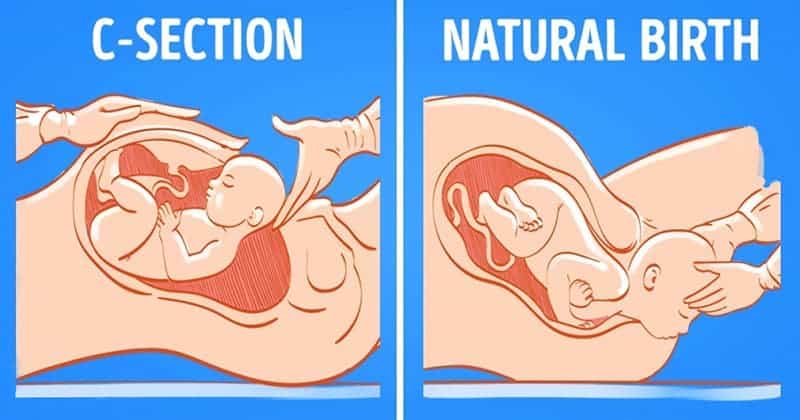
Normal delivery, also called vaginal birth, is when a baby is born naturally through the birth canal without surgical intervention. It typically occurs between 37 and 42 weeks of pregnancy.
There are three stages of labor:
Cervical dilation and contractions
Delivery of the baby
Delivery of the placenta
Most healthy pregnancies are suitable for normal delivery unless complications arise.
When Is Normal Delivery Recommended?
Doctors usually recommend Normal Delivery in Saudi Arabia when:
The baby is in a head-down position
Pregnancy is full-term
There are no placenta complications
The mother has no serious medical conditions
There is no fetal distress
Your obstetrician will monitor your pregnancy closely to determine the safest delivery method.
Benefits of Normal Delivery in Saudi Arabia
Benefits for the Mother
Faster recovery (2–6 weeks)
Shorter hospital stay (1–2 days)
Lower infection risk
No abdominal surgical scar
Lower medical cost compared to C-section
Lower risk of blood clots
Benefits for the Baby
Better lung function at birth
Reduced breathing complications
Immediate skin-to-skin contact
Easier early breastfeeding
Because no major surgery is involved, mothers can return to daily activities more quickly.
Is Normal Delivery Painful?
Labor pain can be intense, but it is temporary. Hospitals offering Normal Delivery in Saudi Arabia provide pain management options such as:
Epidural anesthesia
IV pain medications
Breathing and relaxation techniques
Continuous labor monitoring
Pain relief options make childbirth more manageable and comfortable.
What Are the Risks of Normal Delivery?
Although generally safe, risks may include:
Perineal tears
Heavy bleeding
Prolonged labor
Temporary pelvic floor weakness
Rare fetal distress
With proper hospital supervision, serious complications are uncommon.
What Complications Can Occur During Normal Delivery?
Possible complications include:
Failure of labor to progress
Umbilical cord issues
Shoulder dystocia
Need for assisted delivery (vacuum or forceps)
Emergency C-section
This is why delivery should always take place in a well-equipped hospital.
Can First-Time Mothers Have Normal Delivery?
Yes. Most first-time mothers in Saudi Arabia can safely have normal delivery if:
The baby is properly positioned
Pelvis size is adequate
No high-risk medical conditions exist
Labor may take longer for first-time mothers, but successful vaginal birth is very common.
Is Normal Delivery Possible After a Previous C-Section (VBAC)?
Yes, Vaginal Birth After Cesarean (VBAC) is possible for many women.
Eligibility depends on:
Type of previous uterine incision
Reason for previous C-section
Current pregnancy condition
Doctors carefully evaluate safety before recommending VBAC.
How to Increase Chances of Normal Delivery?
You can improve your chances of successful Normal Delivery in Saudi Arabia by:
Maintaining healthy pregnancy weight
Attending regular prenatal checkups
Staying physically active (as advised by doctor)
Practicing breathing exercises
Avoiding unnecessary early induction
Proper preparation supports smoother labor.
Recovery Time After Normal Delivery
Recovery from Normal Delivery in Saudi Arabia is usually quicker than C-section.
Hospital stay: 1–2 days
Light activities: within a few days
Full recovery: 4–6 weeks
Mild vaginal soreness or fatigue is normal in the first week.
Post-Delivery Care After Normal Delivery
After vaginal birth, mothers should:
Get adequate rest
Maintain hygiene
Manage perineal discomfort
Drink plenty of fluids
Eat iron- and protein-rich foods
Perform gentle pelvic floor exercises
Follow-up visits ensure proper healing.
Cost of Normal Delivery in Saudi Arabia
The cost varies depending on hospital type and insurance coverage.
Government Hospitals
Saudi citizens: Often free
Expats (self-pay): SAR 5,000 – 10,000
Private Hospitals
SAR 8,000 – 18,000
Depends on hospital, doctor, and room type
Normal delivery is generally more affordable than C-section.
Does Insurance Cover Normal Delivery in Saudi Arabia?
Most employer-provided insurance plans include maternity coverage.
Coverage may include:
Doctor fees
Labor room charges
Hospital stay
Basic newborn care
Always confirm:
Coverage limit
Waiting period
Co-payment percentage
Approved hospital network
Facilities for Expats in Saudi Arabia
Foreign residents can access:
Private maternity hospitals
Prenatal care services
Emergency delivery care
NICU support
English-speaking staff in many private hospitals
Insurance policy terms determine coverage.
Which Is Safer: Normal Delivery or C-Section?
Both methods are safe when medically appropriate.
Normal delivery is generally safer for low-risk pregnancies.
C-section is safer in cases of fetal distress, placenta previa, breech position, or severe complications.
The safest method depends on individual medical evaluation.
Final Thoughts
Normal Delivery in Saudi Arabia remains the preferred childbirth method for healthy pregnancies. It offers faster recovery, lower cost, fewer surgical risks, and better long-term reproductive outcomes.
Always consult a qualified obstetrician to choose the safest delivery option based on your health and your baby’s condition.